
Obesity and overweight in the United States have been on the rise for many years. What are some reasons that people in the US have become more obese? What has changed in the past 20+ years? What are some individual and societal factors contributing to these trends? Comment below.
Student learning outcome 5 – Nutrition and weight management
13 posts
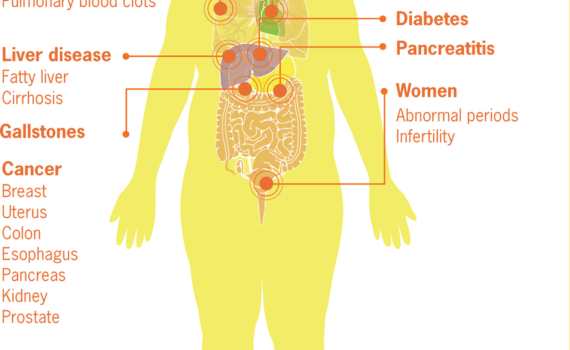
Obesity, defined as a Body Mass Index (BMI) of 30 or greater, and overweight, defined as a BMI of 25 to 29.9, have been on the rise in the United States for decades. Obesity is a risk factor for heart disease, some types of cancer, osteoarthritis, sleep apnea and several […]
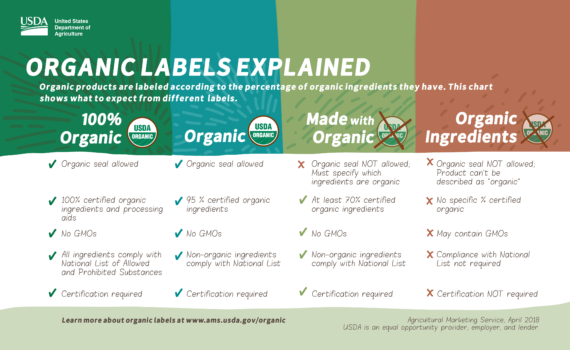
You may have heard people talk about organic food or GMO’s and wondered whether you should change your habits. To make sense of all the labels and controversies, we will define these terms. Organically produced food has a legal meaning according to the United States Department of Agriculture (USDA). In […]

In order to eat safely, practice the four principles: clean surfaces and fruits/vegetables, separate meats and seafood from other foods, cook to the right temperature, and cool or refrigerate food promptly – http://www.fightbac.org/food-safety-basics/the-core-four-practices/. Food allergies happen when the immune system of the body reacts to the food as an antigen […]

Products like vitamins, minerals, enzymes, proteins, fats, and others are often sold in pharmacies and specialized stores. These products are often labeled as dietary supplements – https://nccih.nih.gov/health/supplements . Do you need to take these for your health? Your doctor may have recommended that you take a particular supplement, like Vitamin […]
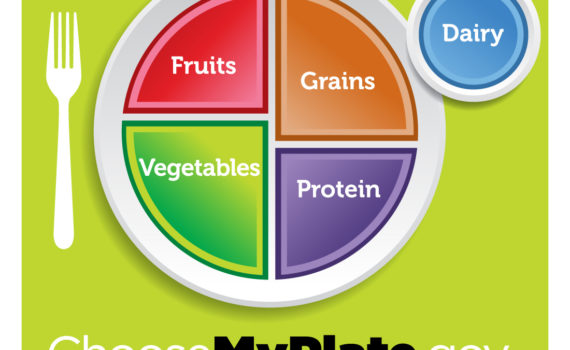
Over the years, dietary recommendations have changed and some people may find the rapid changes confusing. The United States Department of Agriculture has created a simple guide to healthier eating called MyPlate – read more here https://www.choosemyplate.gov/start-simple-myplate. The dietary guidelines are updated every year. The key recommendations about healthy eating […]
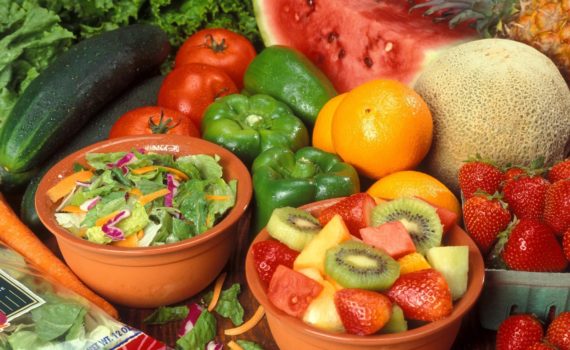
The science of food which concerns itself with how food and its components play a role in our health is called nutrition. Humans need food and water to survive. The main constituents of food that are needed for life are energy, measured as calories, and nutrients – macro-nutrients (proteins, fats […]
Vitamins are organic substances that are either water-soluble or fat-soluble. They have names like Vitamin A, B, C, and so on. There are many B vitamins. One type of B vitamin, B12, is mainly found in animal products, so people following vegetarian or vegan diets may need to take supplements. […]

Proteins are the building blocks of life. In the body, they are important for making blood, bones, skin, muscles and cartilage, as well as various chemicals like hormones – https://www.choosemyplate.gov/protein-foods-nutrients-health. Proteins break down into amino acids. There are 9 essential amino acids – we must get them through food as […]
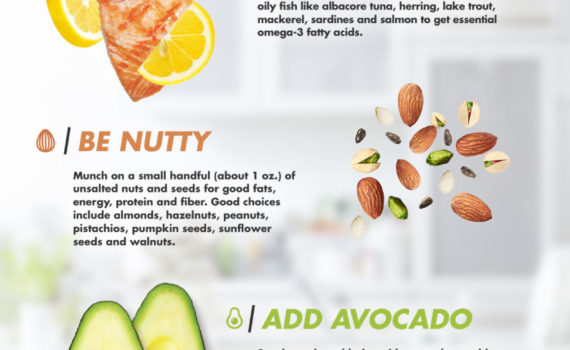
Fats are necessary for life and thus are an essential macro-nutrient. However, there are different types of dietary fats and research shows that some may be better for us than others. Some ways to consume fats in a healthier way include choosing plant-based oils and lower amounts of animal-based fats […]

