
STIs are conditions that are spread from person-to-person sexual contact which can include oral, vaginal or anal intercourse, and other types of sexual contact. Prevention of STIs includes using barrier methods (condoms and dental dams), getting certain vaccines, and other behaviors. These infections are relatively common, half of all sexually […]
Student learning outcome 6 – Sexuality
11 posts
When people try to prevent or space out pregnancy, they are practicing contraception or birth control. There are several broad categories of birth control. Failure of birth control is measured by what number of people who use this method nevertheless become pregnant. The more a person uses a method of […]
Fertility refers to the ability of someone to become pregnant or cause someone else to become pregnant. Some people may have trouble with becoming pregnant – this is called infertility and treatments are often available. When sperm is present in the Fallopian tubes at the same time as an ovum […]
There are many aspects of sexual identity that are complicated and interrelated, including our biological sex, our gender identity and expression, our attractions and our behaviors. Read more about each concept on the above picture here – https://www.genderbread.org/wp-content/uploads/2017/02/Breaking-through-the-Binary-by-Sam-Killermann.pdf. Even something as “simple” as biological sex, or the formation of one’s […]
On one side of the relationship spectrum are healthy relationships and on the other are abusive relationships or intimate partner violence (IPV). This type of violence happens in various relationships – family, friend or romantic and is quite common – https://www.cdc.gov/violenceprevention/intimatepartnerviolence/fastfact.html. IPV can take many forms like physical, verbal or […]
Humans are social animals – we need some level of social support and social networks in order to be fully healthy. We form relationships from birth and require things like love and nurturing in order to stay socially healthy. Our first relationship is usually with family – they raise us, […]
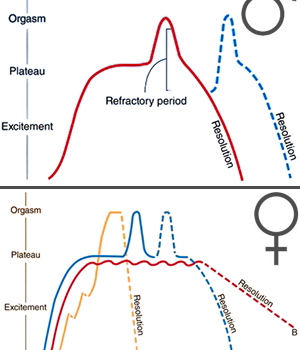
Being sexually healthy begins before sexual activity takes place and may include learning about your sexual and reproductive organs, going through the changes of puberty, learning to deal with the menstrual cycle, and so on. Young children learn about their sexual organs through exploration and may begin stimulating them because […]
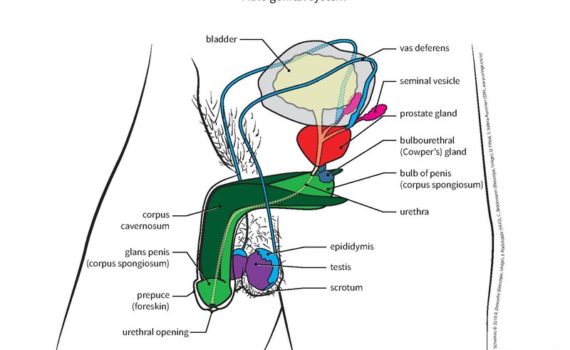
The male reproductive and sexual anatomy includes the penis and scrotum (the external parts), and internal reproductive organs. Read more about the names and function of these organs here – https://www.plannedparenthood.org/learn/health-and-wellness/sexual-and-reproductive-anatomy/what-are-parts-male-sexual-anatomy Some penises are circumcised and some are not. If parents choose to do this for their infants, they will […]
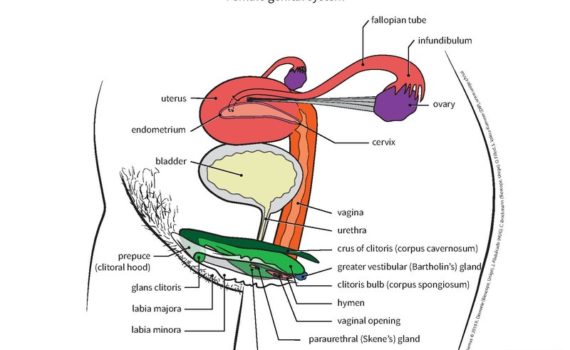
The female reproductive and sexual anatomy includes the vulva (the external parts) and various internal organs like the uterus and ovaries. Read more about the various organs and parts that make up the typical female anatomy here – https://www.plannedparenthood.org/learn/health-and-wellness/sexual-and-reproductive-anatomy/what-are-parts-female-sexual-anatomy Breasts are also part of the reproductive and sexual anatomy – […]
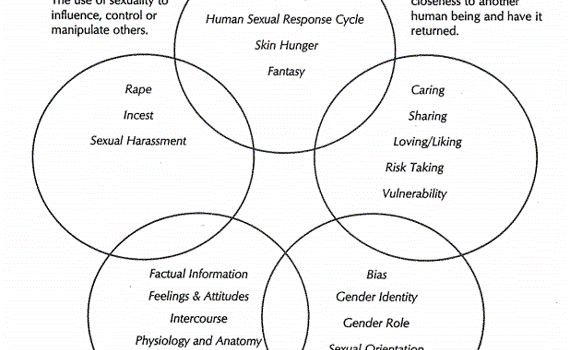
We each have a unique understanding of our sexuality and it includes a number of different aspects of our lives, including relationships and intimacy, sexual health and reproduction, sexual identity and others. Sexuality is something we have and develop throughout our lifetime. One holistic model of sexuality was created by […]

