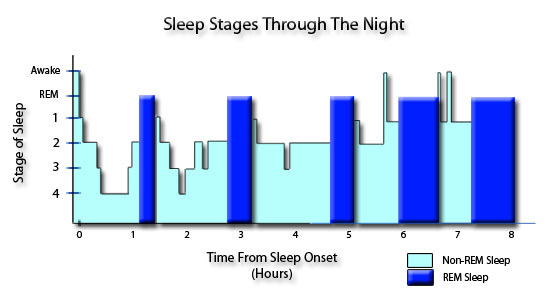
One important way to help deal with stress is by getting enough sleep. We are all familiar with how our bodies and minds feel when our sleep was interrupted or just too short – we feel clumsy, inattentive, moody, fatigued, unable to focus or remember. There are several stages of […]
Student learning outcome 2 – Stress and stress management
6 posts

Every year, the American Psychological Association conducts a survey about stress in the United States. Some of the more common sources of stress are money, family responsibilities, health-related concerns, and work. To see more sources of stress, and see some generational differences and trends on stress level, see https://www.apa.org/news/press/releases/stress/2018/interactive-graphics.
It is possible to manage stress – some ideas can be found here https://www.nimh.nih.gov/health/publications/stress/index.shtml and here https://www.heart.org/en/healthy-living/healthy-lifestyle/stress-management/3-tips-to-manage-stress. There are certain key ways to help manage the way you think that help with stress.
One way to understand how long-term stress affects your health is through the General Adaptation Syndrome, which describes the three stages of stress – alarm, resistance, and exhaustion – https://www.healthline.com/health/general-adaptation-syndrome. Before you experience stress, your body is in homeostasis. This is the state where the various body systems are in […]
When you perceive something as a threat to you, your body activates part of your autonomic nervous system called the sympathetic nervous system which sends hormones through your body. These hormones cause various changes that you can notice – all of these changes are called the fight or flight response. […]

There are many reasons to feel stress, whether good or bad. The stress process often has a harmful effect on our bodies. But there are many things we can do to manage our stress. What are your favorite ways to manage your stress? What do you like to do, eat, […]

